
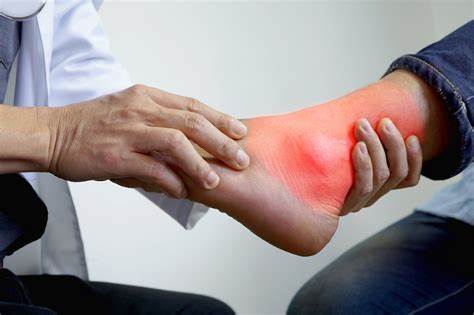
Gout is attracting renewed attention in 2026 due to rising prevalence, new drug research, and advances in diagnostic tools, alongside ongoing debates about stigma and public perception.
Gout is on the rise and still stigmatized
Recent reports highlight that gout — the most common form of inflammatory arthritis — affects 2–4% of the population in the UK, US, and Europe, equating to about 1.6 million people in the UK alone. Despite its long history (documented in ancient mummies), it is often misunderstood and unfairly blamed on lifestyle choices like red wine or red meat consumption. Experts stress that while high uric acid is common in gout, most people with elevated urate levels do not develop the disease.
New research: drugs and risk reduction
At the American College of Rheumatology 2026 meeting, studies found that SGLT2 inhibitors (commonly prescribed for type 2 diabetes) reduced the risk of new gout attacks by 38% in patients with preexisting high uric acid Rheumatology Advisor. This suggests a potential dual benefit for people with both diabetes and gout.
Advances in diagnosis and monitoring
A Chinese study introduced a new blood ratio combining D‑dimer (clotting marker) and kidney function (eGFR) to better track gout severity in hospitalized patients. This could improve monitoring of disease burden beyond serum urate levels, which alone may not reflect crystal load or joint damage.
Treatment innovations
Medscape and Drugs.com report ongoing trials of new urate-lowering agents (e.g., pozdeutinurad) and combination therapies like high‑dose pegloticase with methotrexate for uncontrolled gout. FDA approval of Krystexxa (pegloticase) with methotrexate expands options for patients with severe, uncontrolled disease.
Our All-Natural Path Has Been Successful Since 1998
If you’ve found your way to this blog, you’ve already taken a good first step. Whether you’re curious about natural supplements or have already found some that fit your routine, taking the time to ask questions and learn about your options can help you make choices you feel good about.
At Alternative Health Research, our story began in 1998 with questions of our own. Today, we’re still a small, family-owned company, and we’re grateful for the trust our customers have placed in us over the years. We work to earn that trust by being clear about what’s in our formulas and making it easy to reach us when you have questions.
Take a look around, explore our formulas, and reach out if you’d like help understanding the differences. A conversation is a simple place to start.
I’m glad you found us.
Jaime, Owner of Alternative Health Research
Leave a Reply